
Blog
Private Label Supplements and Dropshipping – Private Label Fitness | Branded Fitness


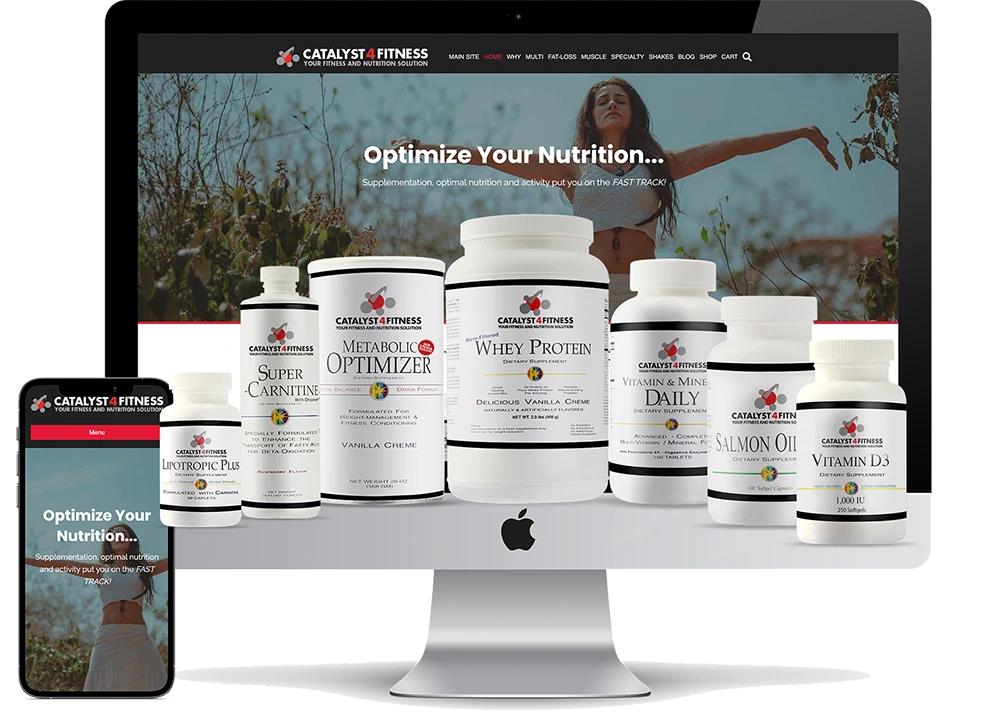
If you coach fat loss, strength training, sports performance, healthy aging or wellness, you already answer supplement questions almost every day.
Clients ask:
👉 Which protein should I buy?
👉 What supplements actually work?
👉 Which products can I trust?
The question is…
Why keep sending your clients to Amazon, Costco or some random online retailer when those same purchases could support YOUR business instead?
That is exactly why private label supplements dropshipping has become such an attractive opportunity for fitness professionals.
It allows trainers, coaches, gyms and wellness businesses to create branded supplement revenue under THEIR OWN LOGO without managing inventory or running a warehouse.
And when done correctly, it becomes much more than “selling supplements.”
It becomes part of your brand ecosystem.
How private label supplements dropshipping actually works
The concept is fairly simple.
You offer branded supplements through your website, storefront, landing pages or coaching programs and a fulfillment company ships the products directly to your customer.
That means:
- No storing inventory
- No packing boxes
- No shipping orders
- No warehouse headaches
For fitness professionals, that dramatically lowers the barrier to entry.
You can launch a supplement line without turning your office, garage or studio into a fulfillment center.
But convenience is only part of the value.
The bigger advantage is ownership.
When the label carries YOUR LOGO, the supplements become part of YOUR client experience instead of someone else’s.
That changes everything.
Why this model fits fitness businesses
Most fitness businesses eventually hit the same challenge.
Revenue depends too heavily on:
- Sessions
- Appointments
- Classes
- One-on-one coaching
At some point, there are only so many hours available in the day.
Supplements help break that ceiling because they add product-based revenue to a service-based business.
And dropshipping makes the process much easier.
A personal trainer with 75 active clients probably does not want cases of supplements stacked in a spare bedroom.
A gym owner may not want employees counting tubs and managing local pickups.
An online coach with clients nationwide certainly does not want fulfillment headaches.
Dropshipping solves those operational problems.
But the businesses that succeed with this model understand something important:
The supplements should support the PROGRAM.
Not sit beside it as an afterthought.
Where people get it wrong
The strongest supplement businesses are attached to a specific outcome.
For example:
✅ A 6-week weight-loss challenge
✅ A muscle-building program
✅ A metabolic reset
✅ A menopause support system
✅ A sports performance plan
✅ A healthy aging program
When supplements are integrated into a branded coaching system, clients see them differently.
They no longer feel like random products sitting on a shelf.
They feel like part of the solution.
And that creates much stronger client buy-in.
The real advantage is brand authority
One of the biggest hidden advantages of private label supplements is perceived authority.
When your supplements match your:
✅ Website
✅ Coaching systems
✅ Meal plans
✅ Journals
✅ Educational materials
✅ Onboarding process
✅ Marketing materials
…your business feels bigger, stronger and more established.
Clients see a REAL brand.
Not a trainer piecing together recommendations from five unrelated companies.
That consistency matters more than many fitness professionals realize.
Building a supplement offer that clients will actually buy
The strongest approach is simple. Do not launch with 20 products. Start with the products your clients already ask about and connect them to specific outcomes.
A strength coach might lead with whey protein, creatine, and recovery support. A weight-loss coach might focus on protein, greens, and appetite-supportive systems if appropriate for the audience.
A studio serving busy professionals may do well with daily wellness products and convenient bundles.
What matters is clarity.
Clients should understand who the product is for, what role it plays, and how it fits their plan. “Here is my Performance Stack for members training four or more days per week” will usually outperform “Shop our supplements.” One is a guided recommendation. The other is a shelf.
This is where branded marketing assets like videos become the difference between a side hustle and a real revenue channel.
Product pages help, but so do email sequences, handouts, challenge materials, onboarding kits, and follow-up education. If your supplement offer is supported by branded systems, reorders become much easier because the product stays visible throughout the client journey.
Pricing, margins, and retention
A lot of fitness professionals ask the wrong first question: “How much can I make per tub?” The better question is,
“How does this increase client lifetime value?”
Supplements can produce direct margin, but their bigger commercial value often comes from retention and continuity.
A client who reorders monthly is staying connected to your brand between sessions.
That increases touchpoints and gives you more chances to keep them engaged with programs, coaching, accountability, and future offers.
Pricing should reflect your positioning. If your business is premium, your supplements should not look like discount commodities. At the same time, pricing must be realistic enough to support repeat buying.
The sweet spot is usually a credible premium tied to trust, education, and convenience.
Bundles can improve both conversion and average order value, especially when aligned with a transformation offer. Subscriptions can be even stronger if the customer experience is clean and the products earn the reorder.
Where private label supplements dropshipping fits in your business model
For some operators, this becomes a meaningful standalone eCommerce channel. For most, it works best as part of a bigger branded ecosystem.
That means your supplements should connect to your website, your programs, your email marketing, your educational content, and your client retention strategy.
If you run a gym, supplements can support member onboarding and increase monthly revenue per member. If you are an online coach, they can make your remote offer feel more complete and legitimate.
If you lead seminars, weight-loss groups, or transformation challenges, they can reinforce the program and create post-program continuity.
This is also why a done-for-you approach has appeal. When your supplements are paired with ready-made marketing materials and business infrastructure, you remove the delays that kill momentum.
Private Label Fitness has built its reputation around that exact advantage – helping fitness professionals launch polished branded systems under THEIR OWN LOGO instead of trying to assemble everything from scratch.
Is private label supplements dropshipping right for you?
It depends on what kind of business you are building. If you want quick cash with no real brand strategy, this model will probably disappoint you.
If you want stronger authority, recurring revenue and a more complete client ecosystem, it can be a smart move.
The best candidates are coaches and operators who already have client trust and a clear niche. They do not need to guess what their audience wants. They hear the questions every day.
They already know the outcomes clients are chasing. In that setting, supplements become a natural extension of the business rather than a random add-on.
A branded supplement line works best when it supports the promise you are already delivering. Get that alignment right, and you are not just selling products. You are building a business that keeps more of the value, more of the trust, and more of the revenue under YOUR LOGO.
Related Posts
:quality(85):upscale()/2026/08/11/808/n/1922729/ba5caafd6a7b68ede306e1.96820766_.jpg?w=1300&fit=1300,800&ssl=1 "How These Fitness Influencers Work Out With Their Kids")
How These Fitness Influencers Work Out With Their Kids
-
Posted by
 Transform Your Health & Fitness
:quality(85):upscale()/2026/08/03/958/n/1922729/3ed71a696a710f9386dec9.35320325_.png?w=1300&fit=1300,800&ssl=1 "I Went to a Fitness Festival — Here’s What It’s Really Like")
I Went to a Fitness Festival — Here’s What It’s Really Like
-
Posted by
Transform Your Health & Fitness

What “Whose Line” Taught Me About Fitness
-
Posted by
Transform Your Health & Fitness

5 Overlooked Movements for Real-World Fitness
-
Posted by
Transform Your Health & Fitness

Do You Need a Fitness Coach? How to Tell an Information Problem from a Support Problem
-
Posted by
Transform Your Health & Fitness

What Bodybuilders and Shred Guitarists Have in Common….! – Private Label Fitness | Branded Fitness
-
Posted by
Transform Your Health & Fitness

First Half into the Second Half… – Private Label Fitness | Branded Fitness
-
Posted by
Transform Your Health & Fitness

How to Value Yourself as a Fitness Professional – Private Label Fitness | Branded Fitness
-
Posted by
Transform Your Health & Fitness
:quality(85):upscale()/2026/06/15/718/n/1922729/bd90498b6a3025154f0565.30776188_.png?w=1300&fit=1300,800&ssl=1 "Best Amazon Prime Day Fitness Deals")
Best Amazon Prime Day Fitness Deals
-
Posted by
Transform Your Health & Fitness

How to Keep Clients Coming Back (Without Chasing Them Every Month) – Private Label Fitness | Branded Fitness
-
Posted by
Transform Your Health & Fitness

What Fitness Pros Should Know About Certifications – Private Label Fitness | Branded Fitness
-
Posted by
Transform Your Health & Fitness
:quality(85):upscale()/2026/06/11/860/n/1922729/7389f3b26a2b0ef2ba82d3.12739764_.jpg?w=1300&fit=1300,800&ssl=1 "15-Minute Outdoor Strength Training | PS Fitness")
15-Minute Outdoor Strength Training | PS Fitness
-
Posted by
Transform Your Health & Fitness